Summary
Tiny house approval in Australia depends heavily on local council zoning and planning rules, and some councils are far more supportive than others. This blog explains why regional/rural councils and areas that already allow granny flats or modular housing tend to be more tiny-house-friendly, while tiny houses on wheels often face tighter limits. It also shows why container tiny homes on permanent foundations can be easier to approve—and how to check your council’s requirements before you commit.
Why Councils Matter for Tiny Houses
There is no single national tiny house law in Australia. Instead, approvals are handled by:
-
State planning frameworks
-
Local council planning schemes
-
Zoning and land-use regulations
-
Local planning policy
Councils assess tiny houses the same way they assess other dwellings — based on safety, amenity, infrastructure, and zoning compliance. Council governments develop and enforce these policies as part of broader regulations in Australia.
This means council attitude and policy play a major role in whether a tiny house is approved. It is essential to understand the legal requirements and building standards that apply when seeking approval for a tiny house.
Introduction to Tiny Houses
Tiny houses are gaining popularity in Australia as more people seek sustainable and affordable alternatives to traditional housing. The tiny house movement encourages a simpler lifestyle by focusing on compact, efficiently designed homes—usually under 30 square meters. There are two main types of tiny houses: those built on permanent foundations and tiny houses on wheels. Understanding the differences between these types is essential, as each comes with its own set of tiny house regulations and local laws. For tiny house owners, being aware of these distinctions is crucial for navigating council approvals and enjoying the benefits of tiny house living. As the movement continues to grow, staying informed about local regulations will help ensure a smooth tiny house journey.
Councils That Are Generally Tiny House Friendly
While rules change over time, the councils most likely to support tiny houses typically fall into these categories. Many councils, especially those in rural areas, are more open to tiny house living due to flexible zoning and a focus on sustainable development.
1. Regional and Rural Councils
Regional and rural councils are often the most tiny house friendly in Australia.
Why?
-
Larger block sizes
-
Lower density requirements
-
Greater flexibility around secondary dwellings
-
Strong need for affordable housing solutions
-
Addressing the housing crisis by supporting tiny houses as a sustainable way to increase housing availability
These councils are often more open to alternative housing, including tiny homes and container cabins.
2. Councils That Support Granny Flats / Secondary Dwellings
If a council already allows:
-
Granny flats
-
Ancillary dwellings
-
Secondary dwellings
then a tiny house on foundations may be approved under the same planning provisions. It is important to note that using a tiny house as a primary dwelling is subject to different regulations compared to using it as a secondary dwelling. Some councils also allow tiny homes to be placed on properties with an existing dwelling, provided certain conditions are met.
Container tiny homes are commonly approved this way when they meet size, setback, and servicing requirements.
3. Councils With Modular or Transportable Housing Policies
Some councils explicitly support:
-
Modular homes
-
Transportable dwellings
-
Prefabricated housing
These councils are often more receptive to container-based tiny homes, especially when they are permanently installed and engineered. Some councils make a distinction between 'temporary structures' and 'permanent tiny homes' when assessing approvals, with different requirements and regulations applying to each category.
Building Codes and Standards for Tiny Houses
When it comes to tiny houses in Australia, building codes and standards are key to ensuring safety, durability, and legal compliance. All tiny houses—whether on wheels or fixed foundations—must meet the requirements set out in the Building Code of Australia (BCA). This includes standards for structural integrity, fire safety, plumbing, and electrical systems. For tiny houses on wheels, some councils may classify them as moveable dwellings or caravans, which can sometimes lead to exemptions from certain building code requirements. However, it’s essential for tiny house owners to understand which rules apply to their specific situation to avoid legal complications and ensure their home is safe. Staying up to date with the latest building regulations is a must for anyone considering tiny house living in Australia.
Examples of Tiny House–Friendly Councils in Australia
⚠️ Important note: Council rules can change, and approvals are assessed case-by-case. Always confirm with the local council before purchasing land or a tiny house.
If you want to pursue your tiny home dream, make sure to research council policies and approval processes to help turn your vision into reality.
That said, councils commonly regarded as more tiny-house-friendly include:
Western Australia
Regional shires (e.g. Wheatbelt, South West, Great Southern regions)
Many regional shires in Western Australia have developed a local planning policy to guide the approval process for tiny houses, outlining objectives and standards specific to their area.
WA councils often favour tiny homes on permanent foundations over tiny houses on wheels.
New South Wales
NSW planning rules are more complex, but many regional councils are open to compliant tiny homes. Obtaining planning approval is a key step for tiny house owners in New South Wales, as it ensures the tiny home meets local government requirements.
Victoria
Victoria has growing acceptance of small dwellings, particularly when built to code. Tiny house regulations are a relatively new concept in the state, and the regulatory framework is still evolving.
Queensland
Some QLD councils are increasingly supportive of alternative housing solutions. In many areas, building approval is required for tiny houses on foundations, ensuring compliance with local planning regulations.
Mount Alexander Shire and Tiny Houses
Mount Alexander Shire in Victoria stands out as a council that is embracing alternative housing solutions, including tiny houses. The shire has introduced policies that allow tiny houses on wheels to be placed on private properties without the need for a building permit, provided they are not used as a permanent dwelling. However, there are specific regulations that must be followed, such as maintaining the tiny house in a safe and healthy condition and adhering to guidelines set by the local council. This approach reflects a growing willingness among some Australian councils to support innovative and flexible housing options, making it easier for residents to pursue the tiny house lifestyle while ensuring community standards are met.
Are Councils Less Friendly to Tiny Houses on Wheels?
Generally, yes.
Tiny houses on wheels (THOWs) are often classified as:
-
Caravans, or
-
Moveable dwellings
Caravan parks are a common legal option for parking tiny houses, as many now accommodate tiny homes and communities.
Councils may impose a time limit on how long a tiny house on wheels can remain on a property, meaning these structures are often not allowed as permanent residences.
This can limit:
Tiny houses, especially those on wheels, are usually not subject to the same building codes as permanent dwellings. By contrast, tiny houses on foundations — including container homes — are much easier for councils to assess and approve.
Why Container Tiny Homes Are Easier to Approve
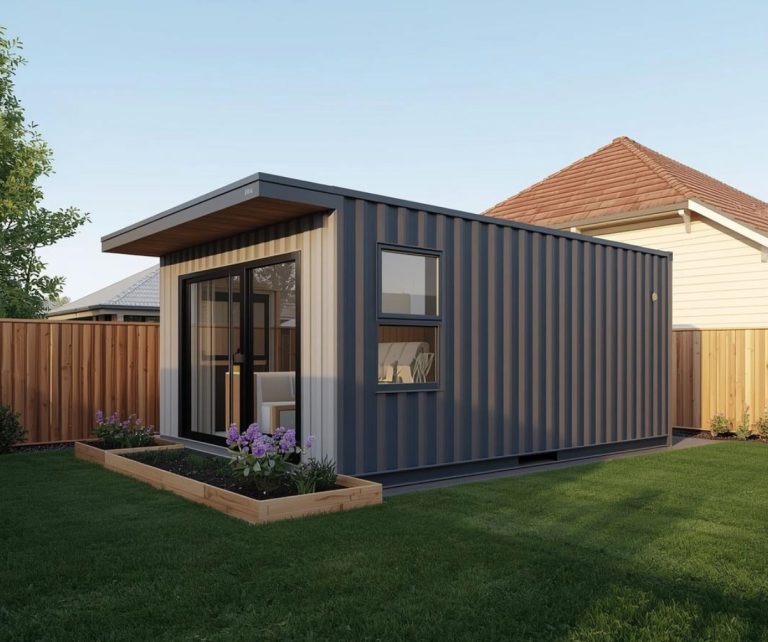
Shipping container tiny homes offer a clearer compliance pathway because they are:
-
Permanently installed
-
Structurally engineered
-
Built to meet the National Construction Code
-
Comparable to traditional dwellings
-
Typically require building permits and certain approvals from councils
This makes them more attractive to councils concerned about safety, durability, and long-term land use. Container tiny homes are also well-suited for permanent living due to their ability to comply with local regulations.
Private Properties and Tiny Houses
Placing a tiny house on private property is an appealing option for many Australians, but it’s important to understand the local regulations that govern this choice. Some councils have clear policies for tiny house living on private land, while others may require additional permits or approvals. Tiny house owners must ensure their property is appropriately zoned and that their tiny house meets all relevant building codes and safety requirements. Considerations such as energy efficiency and environmental sustainability are also important, as councils increasingly look for housing solutions that minimize environmental impact. By carefully researching local regulations and planning for compliance, tiny house owners can enjoy the benefits of tiny house living on private property while supporting sustainable living practices.
How Quokka Container Cabins Helps With Council Approval
At Quokka Container Cabins, tiny homes are designed with council compliance in mind. Quokka provides valuable resources to help clients understand and navigate council approvals, zoning regulations, and planning permissions. The team also assists clients who want to place a tiny home on their own property, ensuring the process aligns with local requirements.
Key advantages include:
-
Fixed-foundation container homes
-
Engineered steel structures
-
Residential-grade insulation and fit-outs
-
Flexible designs to meet zoning requirements
While final approval always rests with the council, professionally built container cabins significantly improve approval outcomes.
How to Check if Your Council Is Tiny House Friendly
Before committing to a tiny house, you should:
-
Check your council’s planning scheme
-
Review zoning rules for your land
-
Ask about secondary or ancillary dwellings
-
Confirm minimum dwelling sizes
-
Speak with council planning officers directly
-
See if your council has introduced any pilot programs, such as the 'Tiny Houses on Wheels Pilot'—for example, Surf Coast Shire has implemented a wheels pilot to test and develop tiny house policies.
This due diligence can save significant time and money.
Final Thoughts: Which Councils Are Tiny House Friendly in Australia?
There’s no universal list, but regional, rural, and flexibility-focused councils are generally the most tiny-house-friendly in Australia — especially when the tiny home is:
Container tiny homes offer one of the most reliable approval pathways for Australians wanting to live small without legal headaches.
For the most up-to-date information on which councils allow tiny houses in Australia and guidance on planning approval, it is recommended to consult the Australian Tiny House Association, which provides resources, advocacy, and support for the tiny house community.
Thinking About a Council-Friendly Tiny Home?
Explore compliant, durable container tiny homes designed for Australian regulations at:
👉 https://quokkacontainercabins.au/