Summary
Tiny houses are affordable and flexible, but poor planning can lead to expensive mistakes. This blog covers the most common issues—bad layouts, not enough storage, poor insulation/ventilation, ignoring council rules, weak builds, site/foundation problems, and hidden costs—plus overlooked needs like outdoor space, off-grid setup, and maintenance. It also explains how professionally built container tiny homes, like those from Quokka Container Cabins, help avoid these problems with smarter design, durability, and easier compliance.
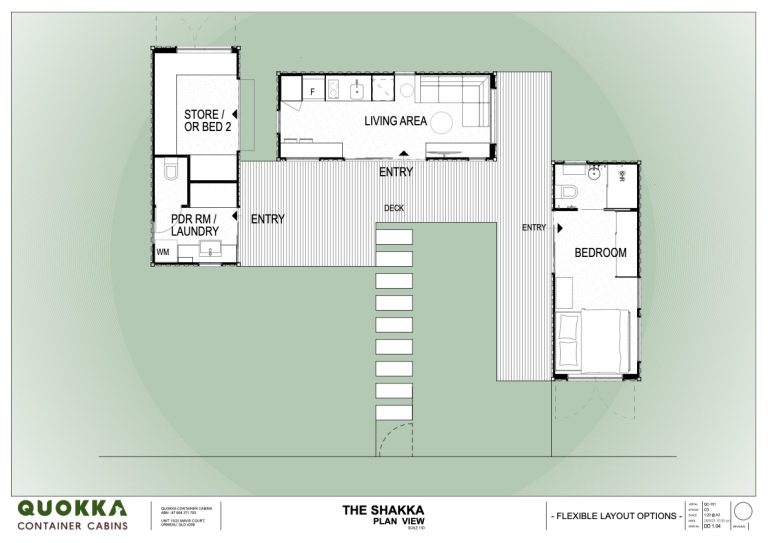
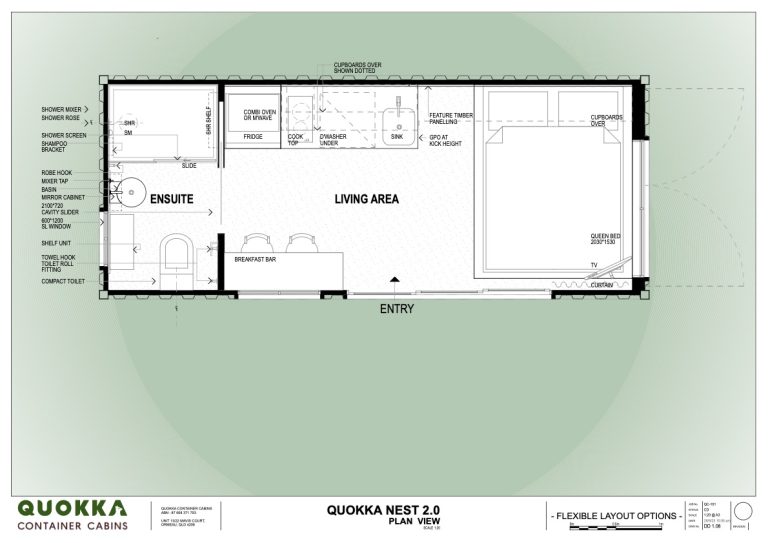
1. Poor Space Planning and Layout
One of the most common tiny house mistakes is inefficient layout design.
Common issues include:
-
Wasted space
-
Cramped living areas
-
Awkward furniture placement
-
Poor traffic flow
-
Lack of multi functional furniture
-
Insufficient natural light
In a tiny house, every square metre matters. Without smart design, even a well-built tiny home can feel uncomfortable. Poor planning can lead to occupants feeling cramped in a tiny space, so understanding how much space is needed for each room is crucial to ensure comfort and functionality.
Solution:Choose a layout designed specifically for compact living, with multi-purpose spaces, built-in storage, and clear zoning between living areas. Incorporate multi functional and multi purpose furniture, such as beds with storage or fold-down desks, to maximize flexibility and efficiency. Prioritize maximizing natural light through strategic window placement to make the space feel larger and more inviting.
Space constraints require careful planning for each room, including integrating a compact desk or workspace to ensure every area is functional and comfortable.
2. Underestimating Storage Needs
Many people underestimate how much storage they actually need.
This often leads to:
-
Cluttered living spaces
-
Reduced functionality
-
A cramped feel
Tiny living doesn’t mean no storage — it means smarter storage. Organizing and storing everyday items with smart and innovative storage solutions is essential to maximize storage space and keep your home functional and clutter-free.
Solution:Incorporate under-bed storage, built-in cabinetry, vertical shelving, hidden compartments, smart storage solutions, and innovative storage solutions into the design. Focus on maximizing storage space for everyday items to ensure your tiny house remains organized and efficient.
3. Poor Insulation and Ventilation
In Australia’s climate, poor insulation is a major mistake.
Without proper insulation and ventilation, tiny houses can become:
This is especially important for steel-based structures like container homes.
Solution:
Use high-quality insulation systems, vapour barriers, and effective ventilation designed for Australian conditions.
4. Ignoring Council Rules and Legal Requirements
One of the most costly mistakes is failing to understand council regulations before building or buying a tiny house. It's crucial to consult your local council, as building codes vary across regions and can significantly impact your project.
Common issues include:
-
Illegal placement
-
Inability to live in the tiny house full-time
-
Unexpected approval costs
-
Non-compliance with zoning laws or local zoning laws
-
Lack of required building permits
Tiny houses are legal in Australia, but compliance depends on building codes, zoning laws, local laws, land availability, foundations, and intended use.
Solution:Work with a builder experienced in council-friendly designs and always check local planning requirements before committing.
5. Choosing the Wrong Build Type
DIY or poorly built tiny houses may look appealing initially but often lead to:
-
Structural issues
-
Compliance problems
-
Shorter lifespan
-
Higher long-term costs
Not all tiny houses are built to the same standard. When building a tiny house, it is crucial to work with an experienced tiny home builder to avoid common mistakes and ensure your project meets all requirements.
Solution:Professionally built tiny homes — especially container-based homes — offer greater durability, safety, and compliance pathways. When choosing between container-based tiny homes and traditional mobile homes, especially those on wheels, consider that mobile homes have historically been used in flood-prone areas and can be repurposed for tiny-house resorts, while tiny houses on wheels provide flexibility, easier relocation, and can simplify legal and zoning issues.
Using high-quality building materials is essential when building a tiny house. The right materials and building materials directly impact the home's durability, craftsmanship, and long-term value, making them a smart investment for anyone building a tiny.
6. Overlooking Foundations and Site Preparation
A tiny house still needs a proper foundation.
Common mistakes include:
These issues can lead to long-term structural damage.
Solution:
Ensure your tiny house is installed on suitable foundations designed for the site and soil conditions.
7. Forgetting About Long-Term Liveability
Many people design tiny houses for short-term novelty rather than long-term comfort.
Mistakes include:
-
No separation between living and sleeping areas
-
Inadequate bathroom space
-
Insufficient kitchen functionality
Solution:
Design for daily living, not just aesthetics. Comfort, usability, and durability should always come first.
8. Poor Budget Planning
Tiny houses are more affordable than traditional homes — but unexpected costs can quickly add up. Most people underestimate how much money is involved, so it's essential to plan ahead to avoid financial surprises.
Common overlooked costs include:
-
Transport and crane hire
-
Council approvals
-
Site works
-
Utility connections
Solution: Choose a transparent builder and factor in total project costs from the start.
Overlooking Outdoor Space and Lifestyle
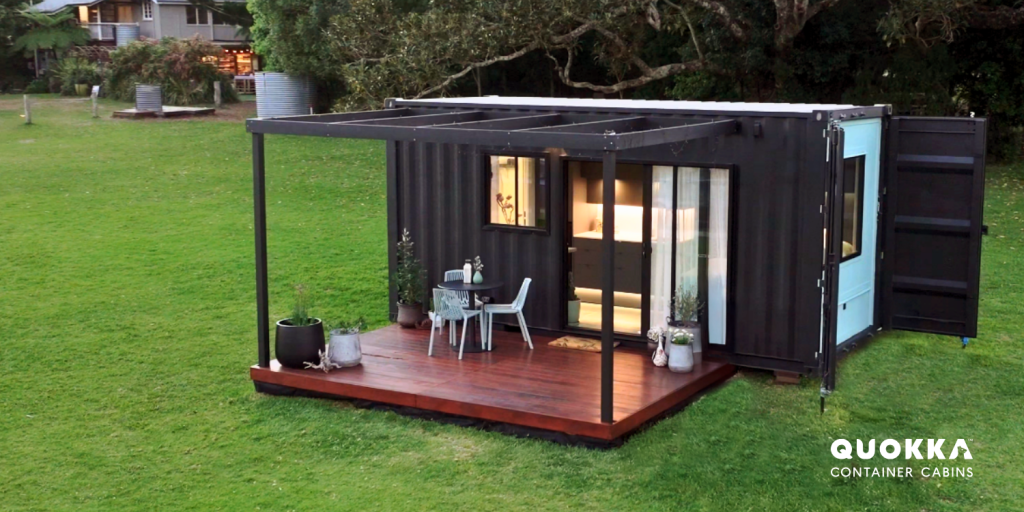
One of the biggest mistakes people make when embracing tiny living is forgetting to plan for outdoor space. While the interior of a tiny house is crucial, the lifestyle benefits truly shine when you extend your living area beyond the four walls. A thoughtfully designed outdoor space—whether it’s a patio, deck, or small garden—can dramatically increase your usable living space and enhance your daily life.
Outdoor areas can serve as extra rooms for relaxing, entertaining, or even cooking, making your tiny house feel much larger than its footprint suggests. When planning your tiny house design, consider how you’ll use the outdoor space and how it fits with your lifestyle. Think about the local climate, terrain, and any local regulations that might affect what you can build or plant. By planning ahead and integrating outdoor living into your tiny house design, you’ll create a more enjoyable, flexible, and spacious environment that truly supports the tiny living dream.
Neglecting Off Grid Living Essentials
For many, the appeal of a tiny house is the freedom to live off grid and reduce reliance on traditional utilities. However, one of the most common mistakes is underestimating what’s needed to make off grid living comfortable and sustainable. Essential systems like solar panels for electricity, rainwater collection for water supply, and composting toilets for waste management are crucial for a successful off grid lifestyle.
Skipping these essentials can lead to inconvenience, discomfort, or even health and safety issues. It’s important to plan carefully and invest in reliable systems that match your needs and local conditions. Research the best solar panels for your location, ensure your rainwater collection system is adequate, and choose composting toilets that are easy to maintain. By prioritizing these off grid essentials from the start, you’ll set your tiny house up for true independence and a more enjoyable, self-sufficient way of living.
Skipping Tiny House Maintenance
Tiny houses may be small, but they still require regular maintenance to stay safe, comfortable, and efficient. One of the most common mistakes is neglecting routine upkeep, which can lead to bigger problems and costly repairs down the track. Tasks like checking the roof for leaks, cleaning gutters, inspecting for pests, and maintaining plumbing and electrical systems are just as important in a tiny house as in any other home.
To protect your investment and enjoy worry-free living, create a maintenance schedule tailored to your tiny house. Regularly inspect the structure, keep everything clean and organized, and address any issues as soon as they arise. By making tiny house maintenance a priority, you’ll extend the life of your home and ensure it remains a safe, comfortable haven for years to come.
Why Container Tiny Homes Avoid Many Common Mistakes
Container-based tiny homes address many of these issues by offering:
-
Strong, engineered steel structures
-
Efficient, modular layouts
-
Clear compliance pathways
-
Faster build times
-
Long-term durability
When designed correctly, container cabins provide a practical and future-proof tiny living solution.
How Quokka Container Cabins Gets It Right
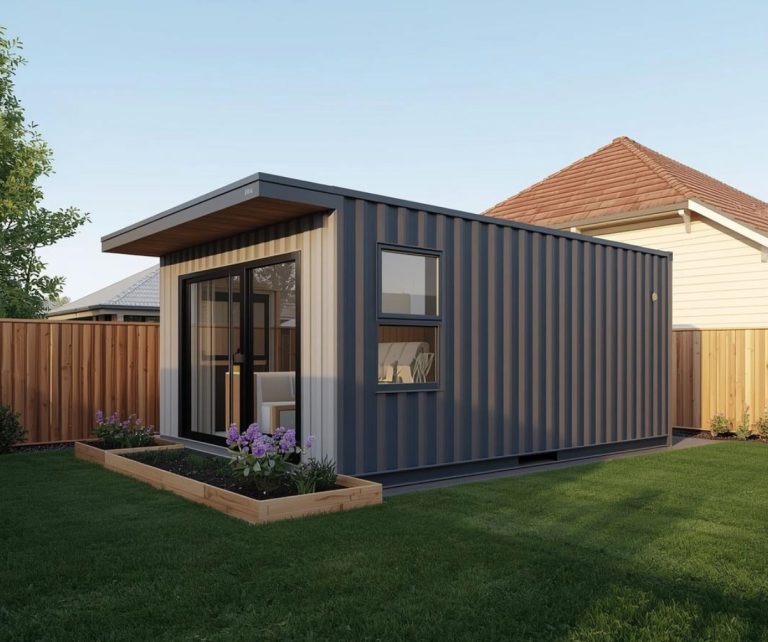
At Quokka Container Cabins, tiny homes are designed to avoid the most common mistakes from the outset.
Key advantages include:
-
Smart space planning
-
Built-in storage solutions
-
High-quality insulation and ventilation
-
Durable container construction
-
Designs suited to Australian council requirements
The result is a tiny home that’s not just compact — but comfortable, compliant, and built to last.
Final Thoughts: Avoiding Common Tiny House Mistakes
Tiny houses can be an excellent lifestyle and investment choice — if done right. Most people are drawn to the idea of living tiny for its simplicity and the sense of freedom it offers.
Some of the biggest things to consider when avoiding common mistakes include poor layout, lack of storage, inadequate insulation, and compliance issues. By keeping these in mind, you can enjoy all the benefits of tiny living without the downsides.
Working with an experienced builder ensures your tiny home is designed for real-world living, not just appearances, and helps you achieve your goal to live tiny without regrets.
Thinking About a Smarter Tiny Home?
Explore professionally built, council-conscious container tiny homes at:
👉 https://quokkacontainercabins.au/