Summary
Tiny homes are becoming a popular option for first home buyers who want a more affordable way to enter the property market. This blog explains how tiny homes can lower the barrier to homeownership with cheaper upfront costs, lower living expenses, and faster build times, and why container tiny homes offer extra durability and value. It also covers key considerations like council rules, land, and finance, and how Quokka Container Cabins helps buyers create a practical, compliant tiny home for Australian conditions.
Why First Home Buyers Are Looking at Tiny Homes
Over the past decade, housing affordability has become a major challenge across Australia. First home buyers are increasingly searching for alternatives that allow them to enter the property market without taking on overwhelming debt.
Tiny homes are appealing because they offer:
- Lower purchase costs
- Reduced mortgage or loan requirements
- Faster build times
- Lower ongoing living expenses
- A simpler, more flexible lifestyle
Unlike traditional housing, which often comes with higher costs, lengthy approval processes, and less flexibility, tiny homes provide a more affordable and adaptable solution for first home buyers. Instead of spending decades paying off a large mortgage, some buyers are choosing a smaller home that allows them to own property sooner and live with greater financial freedom.
What Is Considered a Tiny Home?
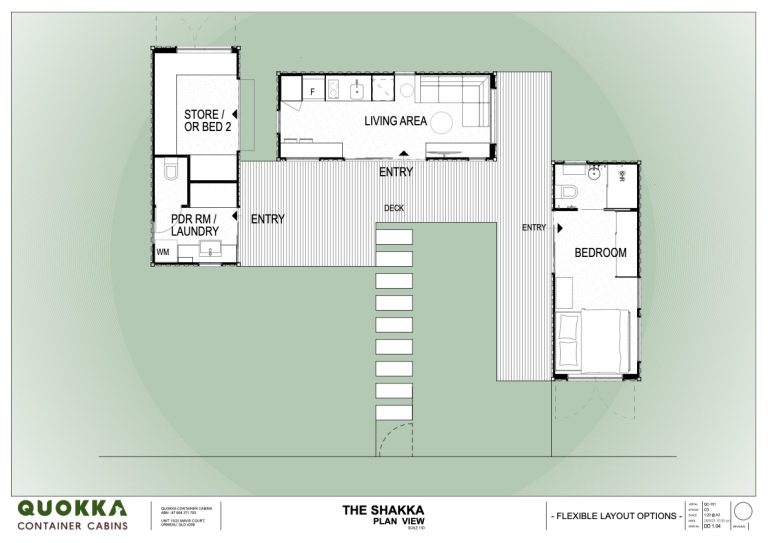
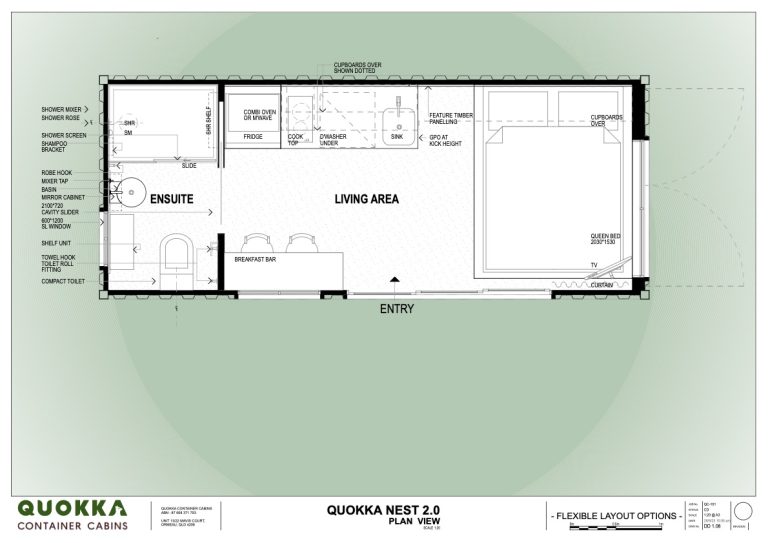
A tiny home is typically a small dwelling that ranges from 15 to 40 square metres. Despite their compact size, modern tiny homes are designed to include all the essentials of a traditional home, such as:
- A bedroom or sleeping loft
- Kitchen or kitchenette
- Bathroom and shower
- Living space
- Storage solutions
Through smart design and efficient layouts, tiny homes can feel surprisingly comfortable and functional. In contrast, larger homes often have more expansive floor plans but may not utilize space as efficiently as tiny homes do.
How Tiny Homes Help First Home Buyers Enter the Market
Tiny homes provide several financial advantages that can make homeownership more accessible.
For example, a first home buyer in Australia could purchase a tiny home at a lower upfront cost compared to a traditional house, allowing them to enter the property market sooner. By choosing a tiny home, they may also qualify for certain grants or incentives available to first home buyers, and meet local building standards more easily. This practical approach helps reduce financial barriers and accelerates the path to owning a home.
Lower Upfront Costs
Traditional homes in Australia can cost hundreds of thousands — or even millions — of dollars depending on location. Tiny homes, however, typically cost a fraction of the price, making them far more achievable for first-time buyers.
This lower entry cost means buyers may require:
- Smaller loans
- Lower deposits
- Less long-term debt
Many first home buyers can use personal loans or their savings as funds to cover the cost of a tiny home, making financing more accessible and flexible for a range of build types.
Reduced Ongoing Living Costs
Owning a smaller home naturally leads to lower expenses.
Tiny homeowners often benefit from:
- Lower energy bills
- Reduced maintenance costs
- Smaller insurance expenses
- Less property upkeep
For many first home buyers, this financial breathing room can significantly improve quality of life.
Faster Path to Homeownership
Because tiny homes can be built faster than traditional houses, buyers may be able to move into their home much sooner.
Instead of waiting years to save for a large deposit or complete a long construction process, tiny homes offer a more streamlined path to owning a place to call your own.
Container Tiny Homes: A Practical Option for First Home Buyers
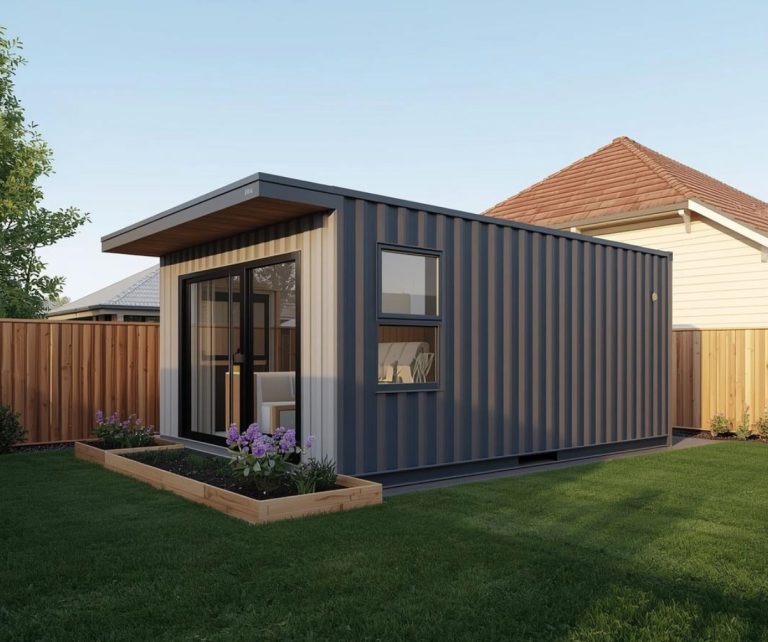
One of the most durable and cost-effective tiny home solutions is a shipping container tiny home.
Container-based homes offer several advantages:
- Strong steel structures designed to last decades
- Faster construction compared to traditional builds
- Efficient modular layouts
- Sustainable reuse of shipping containers
Delivery of container tiny homes is straightforward, with various transportation options available. Site preparation is typically minimal, but ensuring a level foundation and access for delivery vehicles is important.
These features make container tiny homes an appealing option for first home buyers seeking affordability without compromising durability.
Government Incentives for First Home Buyers
The Australian government recognises the challenges many first home buyers face in today’s housing market and offers a range of incentives to help make the dream of owning a first home more achievable. One of the most significant supports is the First Home Owner Grant (FHOG), which provides eligible buyers with a financial boost when purchasing or building a new home—including a tiny home. Depending on your state or territory, the grant can be worth up to $30,000, helping to ease the financial burden of buying your first property.
In addition to the FHOG, many states offer stamp duty concessions or exemptions for first home buyers, further reducing the upfront costs of securing a new home. These incentives are making it possible for more Australians to enter the housing market, with tiny homes becoming an increasingly popular choice due to their affordability and flexibility. For many first home buyers, these government programs are the first step towards owning a tiny home and turning the dream of homeownership into reality.
Sustainable Options for Tiny Homes
For buyers who value both affordability and environmental responsibility, tiny homes offer a wealth of sustainable options. Many tiny house builders are embracing eco-friendly materials and innovative designs, incorporating features like solar panels, rainwater harvesting systems, and composting toilets. These additions allow tiny home owners to live off grid, reduce utility bills, and minimise their environmental impact.
The tiny house movement is gaining momentum across Australia, with more people choosing to invest in sustainable tiny homes that align with their values. Some lenders even offer green loans tailored for eco-friendly houses, making it easier to finance a new tiny home that’s both affordable and kind to the planet. By choosing a sustainable tiny home, buyers can reduce their financial burden while contributing to a greener future.
Important Considerations for First Home Buyers
While tiny homes can provide an excellent pathway to homeownership, there are a few important factors to consider before making the move. Some first home buyers in Australia choose to place their tiny home on family land or in a backyard, which can significantly reduce costs and provide the added benefit of family support. Additionally, tiny homes offer flexibility for the future, as owners have the option to sell or relocate their home if their needs change.
Land and Council Regulations
Tiny homes must comply with local council regulations, zoning rules, and building requirements. Obtaining council approval is essential for permanent tiny homes, as it ensures your home meets all local standards and legal requirements. Approval pathways vary depending on whether the home is built on foundations or on wheels.
Purchasing land can impact both the approval process and your financing options, as owning land may require separate land loans or affect the type of loan you can secure for your tiny home. To secure the necessary permissions and approvals, buyers should research local zoning laws, consult with council authorities, and prepare all required documentation before starting their tiny home project.
Financing Options
Traditional home loans may not always apply to tiny homes, depending on their classification. Some buyers explore:
- Personal loans
- Construction loans
- Savings-based purchases
Some lenders offer tailored loan products specifically for customers interested in tiny homes, providing more convenient and flexible financing options. To qualify for a tiny home loan, applicants must meet certain eligibility criteria, which may include income verification, credit assessment, and property compliance with local building codes. Interest rates can vary significantly between loan types, and the interest charged will directly impact the overall affordability of your tiny home purchase. Secured personal loans can also be used to finance larger homes, such as custom-built or more spacious tiny homes, as well as off-grid infrastructure. Additionally, eligible buyers in Queensland may be able to access the First Home Owners Grant, which can help reduce the cost of building or buying a new, code-compliant tiny home.
Understanding financing options early in the process is important.
Lifestyle Adjustment
Tiny living requires a shift in mindset. Downsizing possessions and embracing minimalism can take time, but many people find the lifestyle freeing and rewarding.
Inspections and Certifications
Before you purchase a tiny home, it’s essential to ensure it meets all relevant safety and building standards. Inspections and certifications play a crucial role in confirming that your tiny home complies with local zoning laws and regulations. Many reputable tiny home manufacturers provide certification from organisations such as the Australian Building Codes Board, giving buyers confidence in the quality and safety of their new home.
In some states, regular inspections are required to maintain compliance and ensure your tiny home remains safe and habitable over time. Whether you plan to live in your tiny home full-time or use it as a rental property, always review the inspection and certification records before making a purchase. This step helps protect your investment and ensures your tiny home journey starts on the right foot.
Rent-to-Own Options for Tiny Homes
Saving for a deposit and qualifying for a mortgage can be a major hurdle for many first time buyers. Rent-to-own options for tiny homes offer a perfect solution, allowing you to move into a tiny home now while working towards ownership in the future. With this arrangement, you pay rent that contributes towards the eventual purchase price, giving you time to save, build equity, and experience the tiny home lifestyle before committing to a full mortgage.
Tiny homes offer flexibility and affordability, making rent-to-own an attractive path for many first time buyers who want to achieve affordable homeownership without the immediate financial pressure. This approach is especially popular among younger buyers seeking financial freedom and a chance to save money while enjoying the benefits of tiny living. Many tiny home providers now offer rent-to-own plans, making it easier than ever to take the first step towards owning your own tiny home.
Tiny Home Communities: Building a New Lifestyle
Tiny home communities are rapidly gaining momentum across Australia, offering a fresh approach to living for those seeking a minimalist lifestyle and a sense of belonging. These communities are designed to foster connection, sustainability, and financial freedom, with shared amenities like community gardens, green spaces, and social events that bring residents together.
Many Australians are drawn to tiny home communities for the opportunity to live debt free, reduce their environmental footprint, and enjoy the benefits of sustainable living. Whether you’re interested in modern container homes, classic granny flats, or custom-designed tiny houses, there’s a community to suit every taste and budget. Developers are responding to the growing demand by creating vibrant, eco-friendly neighbourhoods where residents can thrive.
Joining a tiny home community means embracing a new way of life—one that values simplicity, sustainability, and connection. For many, it’s the perfect way to enjoy the benefits of tiny home living while being part of a supportive and forward-thinking community.
Why More Australians Are Choosing Container Tiny Homes
Container-based tiny homes combine affordability, durability, and efficient design, making them a compelling solution for first home buyers.
When professionally designed, they can offer:
- Comfortable living spaces
- Smart storage solutions
- Energy-efficient insulation
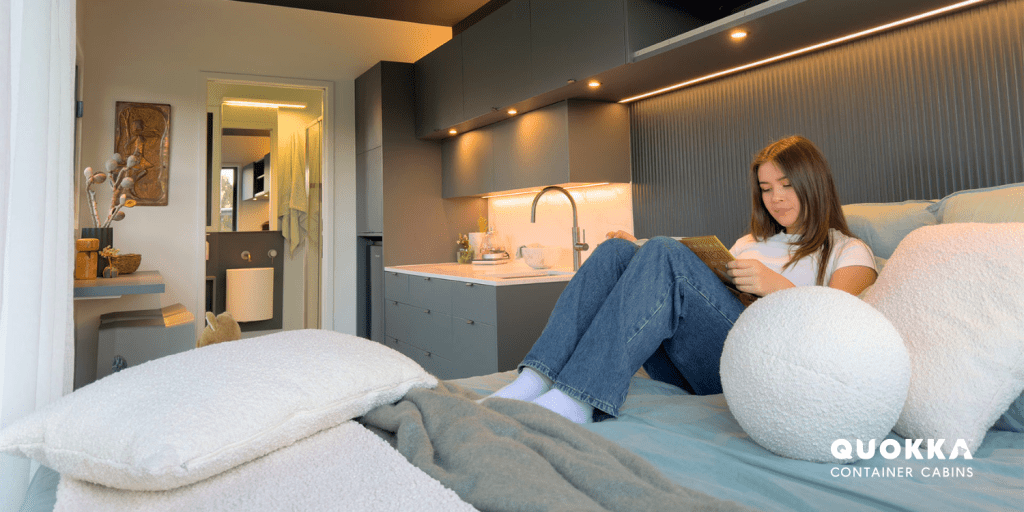
- Modern interiors
They provide the benefits of tiny living while maintaining the structural strength and longevity of steel construction.
How Quokka Container Cabins Supports First Home Buyers
At Quokka Container Cabins, container tiny homes are designed to make compact living both comfortable and practical.
Key features include:
- Durable container-based structures
- Efficient layouts that maximise small spaces
- Quality insulation suited to Australian climates
- Custom designs tailored to different lifestyles
These cabins provide an opportunity for first home buyers to explore a more affordable and flexible housing alternative.
Final Thoughts: Is a Tiny Home Your Path to Homeownership?
For many Australians struggling with housing affordability, tiny homes offer a promising alternative.
With lower costs, faster build times, and reduced ongoing expenses, tiny homes can help first home buyers achieve something that feels increasingly difficult — owning their first home.
While every buyer’s situation is different, exploring innovative housing solutions like container tiny homes may open the door to a more achievable and financially sustainable future.
Start Your Tiny Home Journey
If you're exploring affordable housing options, discover container tiny homes designed for Australian living at:
👉 https://quokkacontainercabins.au/