


Tiny houses have become an increasingly popular housing solution across Australia, offering affordability, flexibility, and a minimalist lifestyle without sacrificing comfort. But one of the most common questions people ask before taking the plunge is: How much does a tiny house cost in Australia?
The answer depends on several factors such as size, design, materials, and whether the tiny house is custom-built or prefabricated. These costs can vary widely based on your choices and specific requirements. In this guide, we’ll break down the average costs, what affects pricing, and how container-based tiny homes from Quokka Container Cabins offer outstanding value.
Introduction to Tiny Homes
Tiny homes have captured the imagination of many Australians seeking a simpler, more affordable way of life. As an alternative to traditional houses, tiny homes offer a unique blend of cost savings, sustainability, and the freedom to live with less. The tiny house cost in Australia can vary widely, with prices ranging from $50,000 for a basic pre-fabricated model to $150,000 or more for a custom-built design. Several key factors influence the tiny home cost, including the size of the house, the level of customisation, and the materials used. For many Australians, embarking on the tiny house journey is about more than just saving money—it’s about embracing a lifestyle that prioritises flexibility, environmental responsibility, and financial freedom. Understanding these key factors is essential for anyone considering tiny home ownership and looking to make informed decisions about their future lifestyle.
Average Cost of a Tiny House in Australia
Tiny home pricing in Australia is influenced by several factors, including the size, design, and included features of the home.
In Australia, the average cost of a tiny house typically ranges between $50,000 and $150,000 AUD.
Here’s a general breakdown:
- Basic models (entry-level options with fewer amenities): $50,000 – $80,000
- Mid-range tiny houses: $80,000 – $120,000
- High-end or custom tiny houses: $120,000 – $150,000+
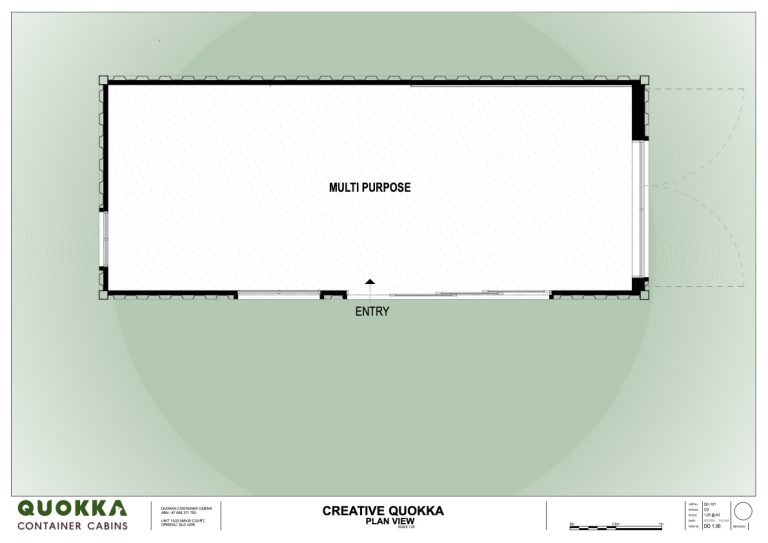
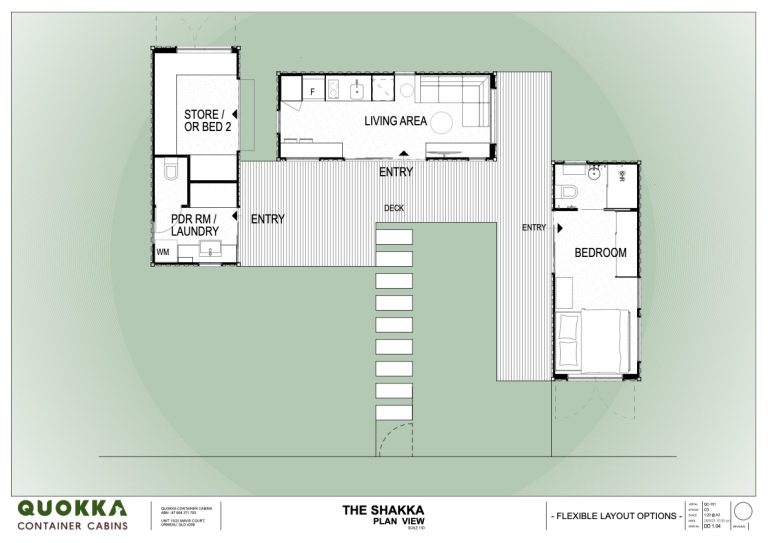
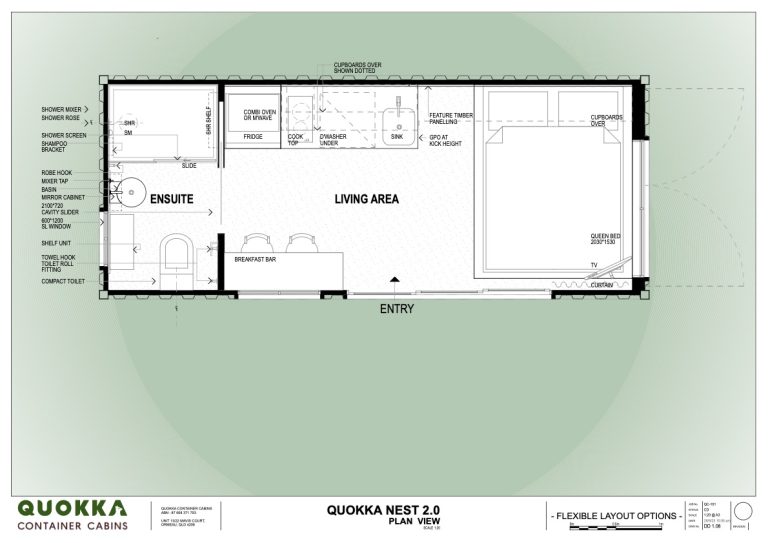
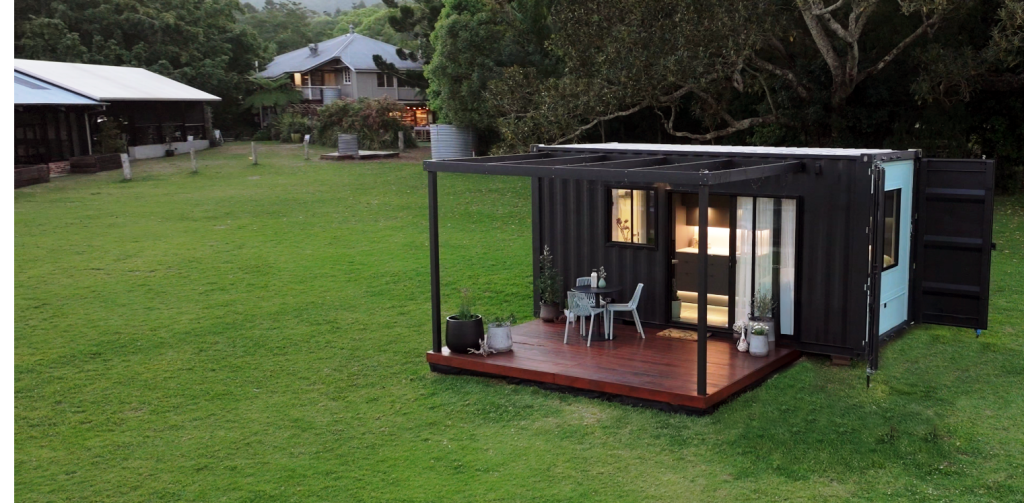
Container-based tiny homes often sit in the mid-range price bracket while offering superior strength, longevity, and faster build times.
What Factors Influence the Cost of a Tiny House?
1. Size and Layout
Larger tiny houses naturally cost more due to increased materials, labour, and fittings. Single-container designs are more affordable, while multi-container layouts increase consideration of space and complexity.
2. Construction Method
There are several ways to build a tiny house in Australia:
- Traditional timber builds
- DIY kits
- Shipping container tiny homes
Hiring a professional builder can ensure quality construction and provide the benefit of experienced professionals managing the build and delivery logistics. On the other hand, building a tiny house yourself can be a significant investment of time, effort, and resources, so it is important to carefully consider your options and budget.
Shipping container tiny houses are often more cost-effective due to their modular nature and reduced build time, making them a popular choice for budget-conscious buyers.
3. Level of Customisation
Custom features and customisable options such as:
- Premium kitchens or bathrooms
- Built-in storage solutions
- Solar systems
- Air conditioning and heating
can significantly influence the final cost. The more bespoke the design, the higher the investment.
4. Inclusions and Fit-Out
The internal fit-out plays a major role in pricing. High-quality insulation, electrical systems, plumbing, finishes, and high quality materials are essential for comfort and compliance with Australian standards.
Choosing high quality materials and thoughtful design features can also contribute to enhancing energy efficiency, reducing long-term costs and improving sustainability. Composting toilets are a popular inclusion for those seeking off-grid or eco-friendly solutions.
Well-built container cabins typically include these features upfront, helping avoid unexpected costs later.
5. Transport and Site Preparation
Additional costs may include:
- Delivery and crane placement
- Foundations or footings
- Fixed foundation (choosing a fixed foundation can affect site preparation and costs)
- Council approvals (where applicable)
These expenses vary depending on location and site conditions. Depending on your setup, you may need to submit a development application, although this can sometimes be avoided if you are placing your tiny house on land with an existing dwelling or through certain land-sharing arrangements.
Fire safety is also an important aspect of site preparation and compliance with local regulations.
Land and Associated Costs
Land costs play a crucial role in the overall cost of tiny home ownership in Australia. The price of land can vary dramatically depending on location, with rural areas generally offering more affordable options compared to urban centres. Tiny home owners often explore a range of possibilities, from renting a spot in a caravan park to purchasing a small rural plot or even leasing land from private owners. Beyond the initial land purchase or rental, there are additional expenses to consider, such as installing water tanks, sewage systems, and connecting to utilities. For those pursuing off-grid living, investments in solar panels and other self-sufficient systems can add to the total cost but may offer long-term savings and greater lifestyle independence. It’s also important to research local regulations and zoning laws, as these can impact where you can place your tiny home and what amenities are required. By carefully considering land costs and associated expenses, tiny home owners can ensure their tiny home dreams align with both their budget and desired lifestyle.
Hidden Expenses
While tiny homes are often celebrated for their affordability, it’s important for prospective tiny home owners to be aware of hidden costs that can affect the overall price. Securing the necessary permits and complying with local council regulations can add unexpected expenses, especially if your tiny home is mobile or located in an area with strict building codes. Transporting your tiny home to its final site, particularly if it requires a crane or specialised equipment, can also increase the cost of a tiny house project. Furnishing and equipping your tiny home with appliances, fixtures, and storage solutions can quickly add up, depending on your preferences and needs. For those taking the DIY tiny house route, costs for tools, materials, and unforeseen challenges can impact the overall cost and timeline. On the other hand, hiring professionals like LJM Tiny Homes ensures high quality construction and compliance with regulations, but this expertise comes at a higher overall price. By planning for these hidden costs, tiny home owners can better manage their budget and avoid surprises along the way.
Are Tiny Houses Cheaper Than Traditional Homes?
In most cases, yes.
The average Australian home costs hundreds of thousands of dollars, with the median house price in major cities like Melbourne often exceeding $900,000. In contrast, the average cost of a tiny house in Australia is much lower, making it a far more affordable entry point into property ownership. Tiny houses can significantly reduce housing costs, with potential savings of up to 30% compared to traditional homes.
Tiny homes also deliver ongoing savings through:
- Lower energy bills
- Reduced maintenance costs
- Smaller mortgage or finance requirements
- Saving money on utility costs and utility bills due to the smaller size and energy-efficient features
For many Australians, tiny houses represent a smarter, more sustainable long-term solution.
Container Tiny Houses: A Cost-Effective Alternative
Shipping container tiny houses are becoming increasingly popular due to their:
- Faster build times
- Structural strength
- Lower construction costs
- Eco-friendly reuse of materials
Container tiny houses can be easily adapted for off grid solutions such as solar power and rainwater harvesting, making them ideal for those seeking sustainability and reduced utility costs.
Choosing locations with lower land prices can further enhance the affordability of container-based tiny homes, allowing owners to maximize value and minimize overall expenses.
Container-based designs allow for efficient layouts and modern finishes without the high price tag of traditional construction.
Why Choose Quokka Container Cabins?
At Quokka Container Cabins, tiny houses are designed to deliver maximum value without compromising on quality or comfort.
Key benefits include:
- Durable steel container structures
- High-quality insulation suited to Australian climates
- Custom layouts to suit your lifestyle
- Cost-efficient modular construction
- Stylish, functional designs
Whether you’re looking for a backyard studio, weekend retreat, or full-time tiny home, container cabins provide a flexible and affordable solution.
Quokka Container Cabins can help you achieve your tiny house dream through expert design and construction.
Environmental Benefits
Tiny houses offer significant environmental benefits compared to traditional homes, making them an appealing choice for those seeking a more sustainable lifestyle. Tiny homes typically use far less energy, with studies showing up to 45% lower energy consumption than standard houses. This efficiency is further enhanced when owners incorporate solar power, off grid systems, and energy-efficient appliances into their designs. The use of recycled materials and sustainable materials in construction not only reduces waste but also minimises the environmental impact of building a new home. Companies like Havenn Tiny Houses are leading the way by promoting eco-friendly building practices and offering options that enhance energy efficiency. By choosing a tiny home, owners can enjoy the benefits of tiny home living while reducing their carbon footprint and contributing to a greener future.
Is a Tiny House Worth the Investment?
For many Australians, the answer is a resounding yes.
With average costs significantly lower than traditional housing, tiny houses offer:
- Financial freedom
- Lifestyle flexibility
- Faster construction timelines
- Reduced environmental impact
When built professionally and designed for Australian conditions, tiny houses can be a smart and long-lasting investment.
Final Thoughts
So, what is the average cost of a tiny house in Australia?
Most fall between $50,000 and $150,000 AUD, depending on size, features, and build method.
If you’re considering a high-quality, cost-effective tiny house solution, Quokka Container Cabins offers expertly built container homes that balance affordability, durability, and modern living.
Learn More
Explore container-based tiny homes built for Australian lifestyles at
👉 https://quokkacontainercabins.au/