Summary
In Australia, the most popular tiny house size is 15–30 square metres, offering the best mix of affordability, comfort, and easy placement. This blog explains why that range suits most lifestyles, how rules differ for mobile vs fixed tiny homes, and why 20ft and 40ft shipping containers fit this size perfectly. It also highlights how Quokka Container Cabins maximises small spaces with smart layouts, storage, natural light, and quality insulation.
The Most Popular Tiny House Size in Australia
In Australia, the most popular tiny house size typically ranges between 15 and 30 square meters, with the average size of a tiny house in Australia falling within this 15–30 square metre range.
This size range strikes the perfect balance between:
- Affordability
- Liveability
- Council and transport practicality
- Efficient design
A tiny house is typically defined as a dwelling under 50 square meters.
Homes within this range are large enough for essential amenities while remaining compact, cost-effective, and easy to install.
When considering council and transport practicality, it's important to note that most councils have size regulations and maximum size limits for tiny house dimensions, which can affect placement and design.
For efficient design, clever use of room dividers and multi-functional furniture can help create separate rooms within the limited space, maximizing comfort and privacy.
Local Laws and Regulations for Tiny Houses
Navigating the legal landscape is a key step in successful tiny house living. Tiny house regulations can differ greatly depending on your location, so it’s essential to research and understand the local laws that apply to your tiny home project. In Australia, tiny houses are generally divided into two categories: mobile tiny homes (built on wheels) and fixed tiny homes (built on a permanent foundation).
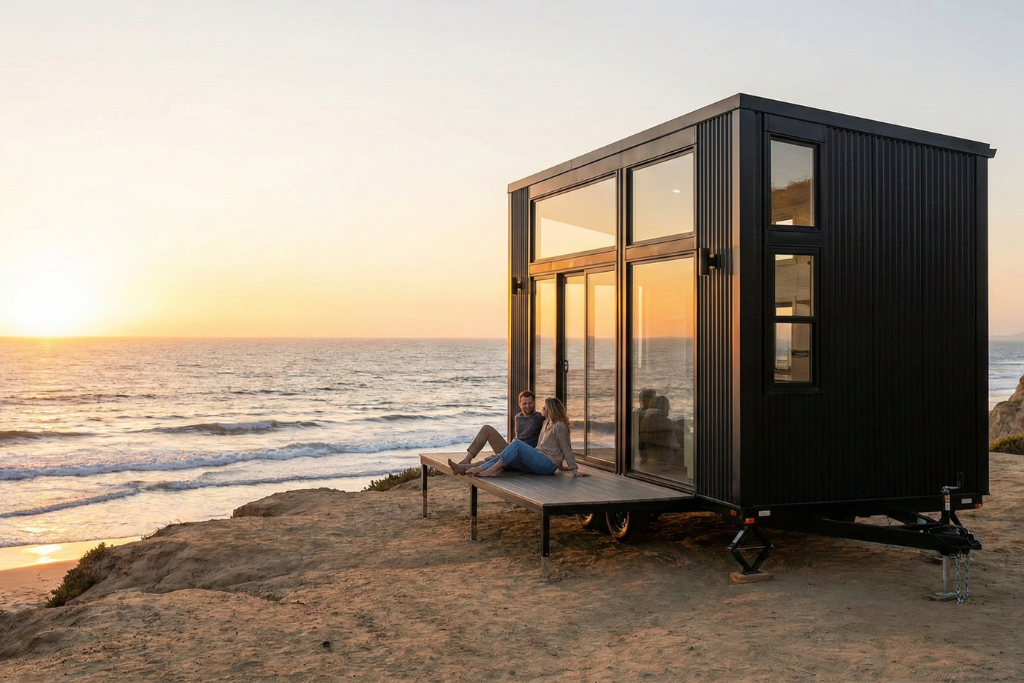
Mobile tiny homes, often referred to as tiny houses on wheels, are typically regulated under the same rules as caravans. This means they may be subject to different zoning laws and council regulations compared to traditional homes, often allowing for more flexibility in where they can be placed. However, it’s important to check with your local council, as some areas have restrictions on how long a mobile tiny home can remain on a property or require special permits for long-term stays.
Fixed tiny homes, on the other hand, must comply with local building codes and council regulations just like any other permanent structure. This includes meeting requirements for minimum house size, building materials, and safety standards. Zoning laws will also determine whether a tiny home can be used as a primary residence, a secondary dwelling, or a granny flat.
Because tiny house regulations are not uniform across Australia, it’s crucial to consult your local council before you build a tiny house or move a tiny home onto your land. Understanding the two categories—mobile and fixed—will help you navigate the approval process and ensure your tiny house living experience is both legal and enjoyable.
Why 15–30 Square Meters Is the Sweet Spot
1. Comfortable Everyday Living
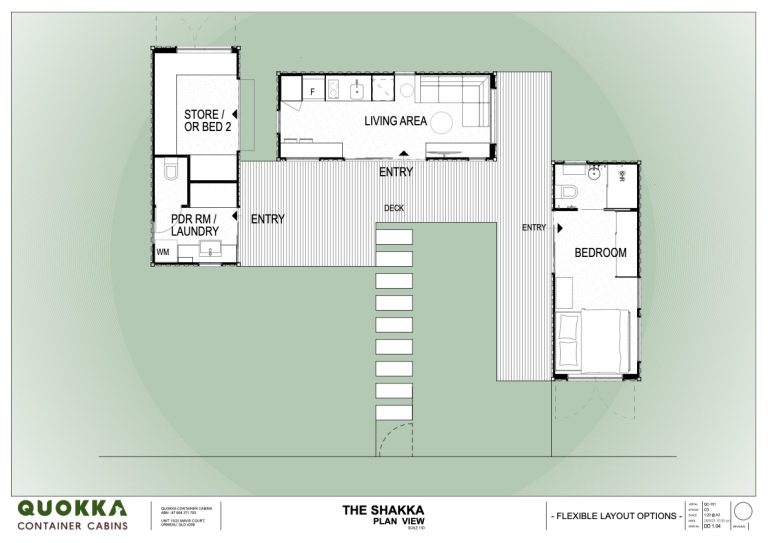
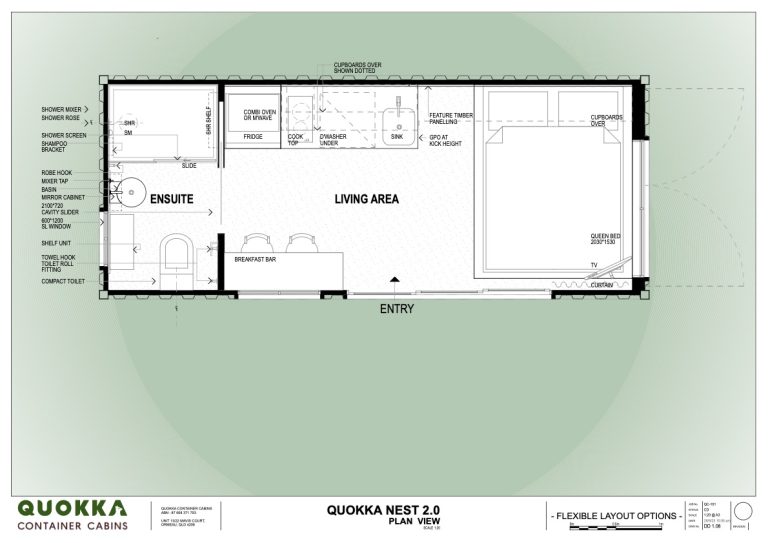
Tiny houses in this size range usually include:
- A sleeping area or separate bedroom, with options like loft bedrooms for maximizing vertical space, ground level bedrooms for accessibility, and layouts that ensure each occupant has their own sleeping space
- A fully functional bathroom
- A kitchenette or full kitchen
- A living or multipurpose space
Effective use of storage space, including built-in solutions like stair drawers, helps keep the living area organized and maximizes functionality.
Clever design allows the space to feel open and comfortable without unnecessary square footage. Ground level bedrooms are a practical choice for those who prefer to avoid stairs.
2. Cost-Effective Construction
Smaller footprints mean:
- Lower material costs
- Faster build times
- Reduced transport and installation expenses
- Lower upfront costs
For many Australians, a 15–30 sqm tiny house offers the best value without sacrificing comfort or durability. Building a tiny house in this size range helps save money and manage budget constraints, making it an attractive option for those looking to maximize their money. With a larger budget, it's possible to include additional features and amenities that enhance comfort and functionality.
3. Ideal for Container-Based Tiny Homes
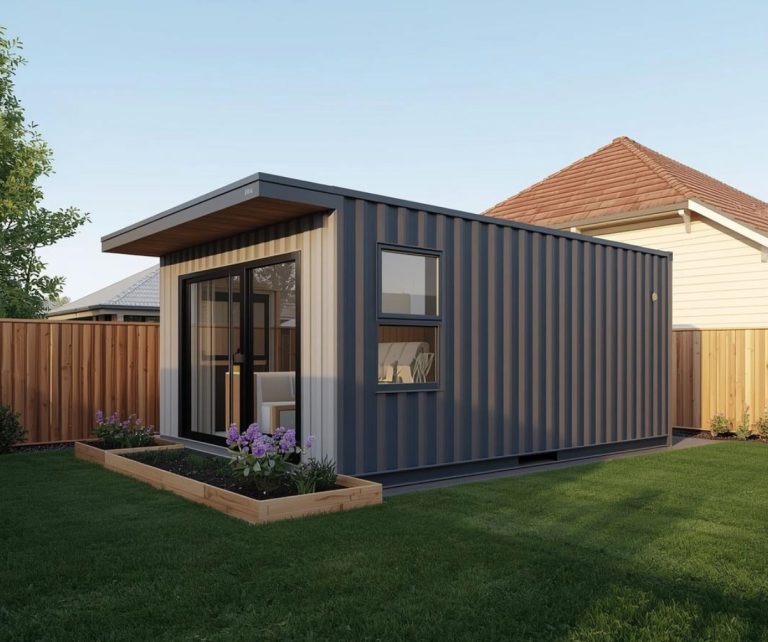
Standard shipping containers are perfectly suited to this size range.
Popular container configurations include:
- Single 20ft container (approx. 15 sqm)
- Single 40ft container (approx. 30 sqm)
For those seeking a more personalized solution, a custom built tiny home can be designed to meet specific needs and preferences.
These sizes are among the most common choices for container cabins due to their structural strength, availability, and efficient layout potential. Using professional builders ensures high-quality construction, compliance with regulations, and long-term durability.
Including features like solar panels in your container-based tiny home can help achieve a low carbon footprint, making it an eco-friendly and sustainable living option.
Smaller Tiny Houses: Under 15 Square Meters
Tiny houses under 15 sqm are often used for:
- Backyard studios
- Home offices
- Guest accommodation
- Short-term stays
- Granny flats
While compact and affordable, these smaller sizes may feel limited for full-time living but work exceptionally well for secondary spaces. For those interested in tiny living, these small homes are a great solution for anyone seeking simplicity and affordability.
Larger Tiny Houses: Over 30 Square Meters
Larger tiny homes (30–45+ sqm) offer:
- Separate bedrooms
- Larger kitchens and bathrooms
- More storage and living space
However, they come with higher costs, more complex approvals, and less flexibility in transport and placement. Larger tiny homes may need to comply with the building code and obtain building permits and building consent, similar to a traditional home or traditional house. Local regulations and specific rules apply, which can affect whether your tiny house is classified as a moveable dwelling or must meet the same standards as a traditional house.
For many buyers, staying within the 15–30 sqm range provides the best balance of simplicity and function.
What Size Tiny House Is Right for You?
The ideal tiny house size depends on:
- Full-time vs part-time living
- Number of occupants
- Budget
- Intended location and council requirements
- Tiny house dimensions and family size, as these affect layout options and comfort
In urban areas, stricter regulations and zoning laws may limit your choice of tiny house size and placement.
For singles, couples, or anyone seeking a low-maintenance lifestyle, the most popular size range offers a practical and comfortable solution. Tiny home living also appeals to those who want a minimalist lifestyle and efficient use of space.
How Quokka Container Cabins Maximises Small Spaces
At Quokka Container Cabins, designs are tailored to make compact spaces feel spacious and functional.
Key design features include:
- Smart layouts and built-in storage that maximize storage space throughout the home
- High ceilings and natural light
- Quality insulation for year-round comfort
- Durable container structures suited to Australian conditions
Whether you’re after a compact studio or a fully equipped tiny home, container cabins deliver efficiency without compromise.
Final Thoughts
So, what is the most popular tiny house size?
In Australia, tiny houses between 15 and 30 square meters are by far the most popular, offering the ideal balance of affordability, comfort, and flexibility.
If you’re considering a tiny house that’s built to last and designed for real-world living, Quokka Container Cabins provides expertly crafted container homes that maximise space and value.
Explore Tiny Container Homes
Learn more about modern, durable tiny homes at
👉 https://quokkacontainercabins.au/