Summary
Shipping containers are waterproof by design, but conversions must be done properly to keep them that way. This blog explains how leaks usually come from poorly sealed windows, doors, roof penetrations, or plumbing, and why good reinforcement, flashing, coatings, roof/runoff design, and site drainage matter. With professional build methods and maintenance, container homes stay dry and handle Australian weather well—especially when built by Quokka Container Cabins.
Introduction to Container Homes
Shipping container homes have surged in popularity thanks to their unique aesthetic, eco-friendly appeal, and affordability. Built from repurposed shipping containers—typically crafted from robust corten steel—these homes offer a durable structural framework that stands up to the elements. Whether you’re envisioning a minimalist retreat or a spacious family residence, container homes provide endless design possibilities for those seeking a sustainable home.
A key factor in creating comfortable living spaces within a container is proper insulation. Options like spray foam insulation and foam insulation are essential to prevent moisture and avoid moisture-related issues that can arise in steel structures. With the right materials and expert advice, a container home can be both durable and energy efficient, offering a modern, eco-friendly lifestyle without compromising on comfort or style.
Why Shipping Containers Are Naturally Waterproof
Shipping containers were originally engineered to transport goods across oceans in harsh conditions. They must withstand:
- Heavy rain and storms
- Ocean spray and saltwater exposure
- Long periods outdoors in extreme weather
In coastal areas, the salt air and high humidity present additional challenges, but shipping containers are designed to resist these conditions.
Because of this, containers are built using corrugated Corten steel, a strong weather-resistant material designed to protect cargo from water intrusion.
The solid steel construction and sealed doors help make containers highly water resistant by design, which is one reason they are so well suited for housing conversions.
What Happens When a Container Becomes a Home?
When a shipping container is converted into a home, several modifications are typically made, such as:
- Installing doors and windows
- Adding insulation and internal walls (it is important to accurately measure the container's interior to ensure a proper fit for insulation and materials)
- Cutting openings for ventilation
- Installing plumbing and electrical systems
Before starting the conversion process, it is crucial to inspect the container for any structural damage and address these issues to ensure safety and durability.
These modifications must be handled carefully to ensure the container remains fully weatherproof.
If the structural changes are poorly executed or not properly sealed, water could potentially enter the structure. That’s why professional design and construction are so important.
Key Factors That Ensure a Container Home Is Waterproof
Professional Structural Modifications
When openings are cut into a container for windows or doors, they must be reinforced and sealed correctly. Proper flashing, sealing materials, and waterproof membranes help prevent leaks around these areas. It is also important to secure the container to its foundation and ensure all modifications are secure to withstand storms and extreme weather.
Professional builders use construction techniques similar to traditional homes to maintain water protection.
Protective Exterior Coatings
Shipping containers are already designed to resist corrosion, but additional protective coatings can further improve durability. Without proper coatings and insulation, moisture buildup can accelerate corrosion and compromise the container's structural integrity.
These coatings help:
- Prevent rust
- Protect the steel from moisture
- Extend the lifespan of the container
A well-coated container home can withstand Australian weather conditions for decades.
Proper Roof Design
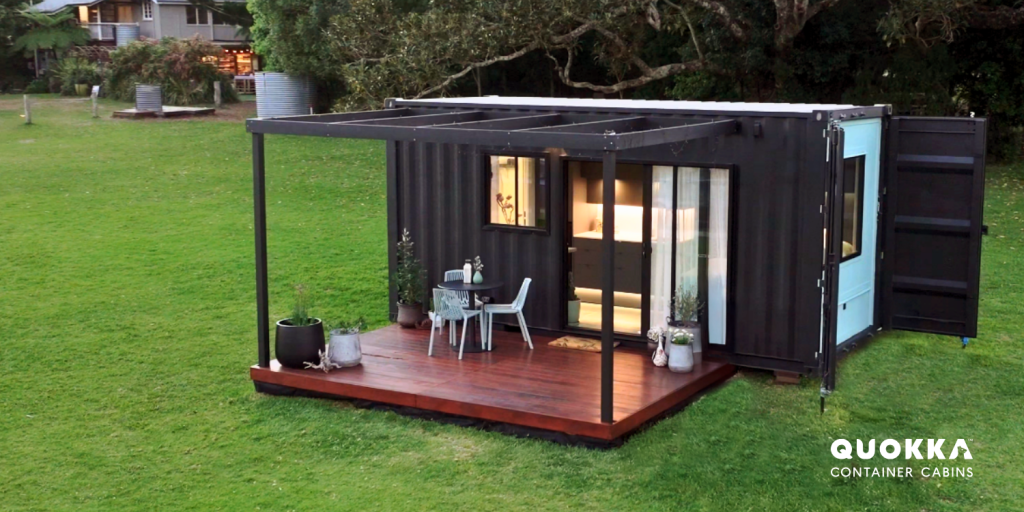
Although container roofs are durable, many container homes add a secondary roof or shade structure.
This provides several benefits:
- Additional rain protection
- Reduced heat absorption
- Better water runoff
- Longer lifespan for the container roof
Quality Seals and Waterproofing
Waterproof seals are essential around:
- Windows
- Doors
- Roof penetrations
- Plumbing and electrical openings
High-quality sealing materials ensure rainwater cannot enter the structure. Proper sealing is crucial to prevent water infiltration, which can cause significant damage to container homes over time.
Drainage and Site Preparation
Good site planning helps prevent water accumulation around the container.
Proper installation may include:
- Raised foundations or footings
- Site grading to direct water away
- Drainage solutions to prevent pooling
These steps help maintain a dry, stable structure.
Insulation Options for Container Homes
Choosing the right insulation is crucial for any container home, as it directly impacts indoor temperature, energy efficiency, and moisture control. Among the most popular insulation options is spray foam insulation, which creates an airtight seal and delivers superior insulation by minimizing heat transfer and preventing moisture from entering the container’s interior. Foam insulation is also effective for filling gaps and reducing the risk of condensation.
Blanket insulation, available in rolls or panels, offers a more budget-friendly solution and can be easily installed along the container’s walls and ceiling. For those seeking both insulation and added structural support, structurally insulated panels (SIPs) are an excellent choice. Each insulation option has its own benefits, but all play a vital role in maintaining a comfortable, moisture-free environment inside your container home, regardless of the weather outside.
Can Container Homes Handle Australian Weather?
Yes — when built correctly, container homes can perform extremely well in Australian conditions.
The steel structure provides strong resistance to:
- Heavy rain
- Strong winds
- Harsh sun exposure
- Storm conditions
Container homes are designed to withstand severe weather, including storms and floods, thanks to their robust construction. The steel structure also offers security during extreme weather events, ensuring the safety and protection of residents.
With appropriate insulation, waterproofing, and ventilation, container homes can offer comfortable and weather-resistant living spaces across a wide range of climates. Proper insulation helps protect against temperature extremes, maintaining comfort inside the home.
Year-Round Comfort in Container Homes
Achieving year-round comfort in a container home goes beyond just insulation—it requires a holistic approach to temperature control and moisture management. Proper insulation helps maintain a stable indoor temperature, while effective ventilation systems reduce the risk of condensation and prevent moisture buildup. In regions prone to extreme weather events, installing storm shutters and taking additional precautions can safeguard your home from high winds and heavy rain.
Regular maintenance is also key: by routinely inspecting windows and doors, you can catch and address moisture issues before they become major problems. Using quality materials and following a comprehensive guide to container home care ensures your living space remains comfortable and protected throughout the seasons, no matter what the weather brings.
Are Container Homes More Durable Than Traditional Homes?
In many ways, shipping containers are stronger than traditional timber-frame structures.
They are designed to:
- Support heavy loads
- Be stacked multiple levels high
- Survive international shipping environments
When converted properly, they create a solid and long-lasting housing structure. However, proper maintenance is crucial to ensure the long-term durability and waterproof integrity of container homes, as regular sealing and upkeep help prevent water infiltration and damage.
Maintenance and Repair for Waterproof Container Homes
Keeping your shipping container home waterproof and in top condition requires ongoing attention and care. Regular maintenance should include inspecting seams and joints for signs of wear or water ingress, as these are common entry points for leaks. Ensuring proper drainage with gutters and downspouts helps direct water away from the container, reducing the risk of water damage and maintaining the structural integrity of your home.
In areas prone to heavy rainfall or extreme weather conditions, installing storm shutters and securing the container to a solid foundation provide long lasting protection. It’s also important to watch for rust spots and address them promptly by applying rust-resistant coatings, which help preserve the container’s durability. By taking these additional precautions and committing to regular maintenance, you can enjoy a waterproof, durable living space that stands up to even the harshest weather conditions.
How Quokka Container Cabins Ensures Waterproof Container Homes
At Quokka Container Cabins, container homes are designed to withstand Australian weather conditions while maintaining long-term durability.
Each cabin focuses on:
- High-quality container selection
- Professional structural modifications
- Reliable sealing and waterproofing methods
- Insulation suitable for Australian climates
- Durable external finishes
This careful design process helps ensure container cabins remain comfortable, dry, and long-lasting.
Final Thoughts: Are Container Homes Waterproof?
Yes — shipping container homes are naturally waterproof by design, but maintaining that protection requires professional conversion, quality materials, and proper construction techniques.
When built correctly, container homes can provide a durable, weather-resistant, and long-lasting housing solution.
For Australians exploring alternative housing options, container cabins offer a practical combination of strength, sustainability, and modern living.
Explore Container Cabins
If you're interested in learning more about container homes designed for Australian conditions, visit:
👉 https://quokkacontainercabins.au/