


Summary
Class 1a container homes are shipping container houses approved as permanent residential dwellings under Australian building standards. This classification allows full-time living and ensures compliance with safety, structural, and energy efficiency requirements. If you’re planning to build or buy a container home in Australia, understanding Class 1a is essential for council approval, long-term use, and protecting your investment. Class 1a container homes are specifically designed to withstand Australian conditions, making them well-suited for the local climate and environment.
As container homes continue to grow in popularity across Australia, understanding building classifications is essential — especially if you’re planning to live in your container home full-time.
One of the most important classifications to know is Class 1a.
So, what is a Class 1a container home, and why does it matter?
In this guide, we’ll explain what Class 1a means, how it applies to container homes, and why it’s crucial for compliance, safety, and long-term living.
Introduction to Container Homes
Container homes are rapidly gaining traction across Australia as a modern, sustainable alternative to traditional housing. Built from repurposed shipping containers, these homes offer a unique blend of durability, affordability, and innovative design. However, before embarking on a container home project, it’s crucial to understand the regulatory landscape that governs their construction and use.
Every container home must comply with the National Construction Code (NCC) as well as local building codes and regulations. These codes set out strict requirements for fire safety, energy efficiency, and structural integrity to ensure that your home is safe, comfortable, and built to last. Local councils play a key role in the approval process, and you’ll need to secure all necessary permits before starting construction. By ensuring compliance with the NCC and local council requirements, you can avoid costly delays and ensure your container home meets all relevant building codes from the outset.
What Is a Class 1a Building?
In Australia, buildings are classified under the National Construction Code (NCC), which sets standards for safety, health, and structural performance.
A Class 1a building is defined as:
- A single dwelling, or
- One of a group of attached dwellings (such as townhouses or duplexes), where each is a separate residence
In simple terms, a Class 1a building is a standard residential home.
What Is a Class 1a Container Home?
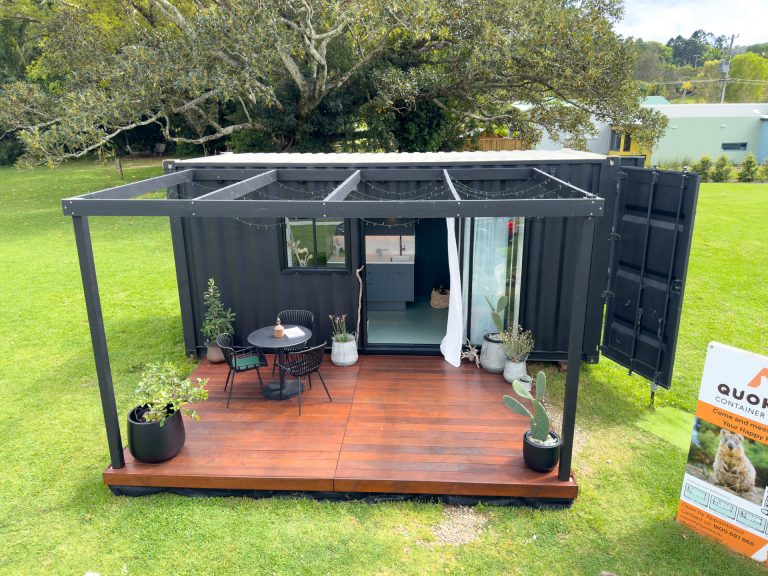
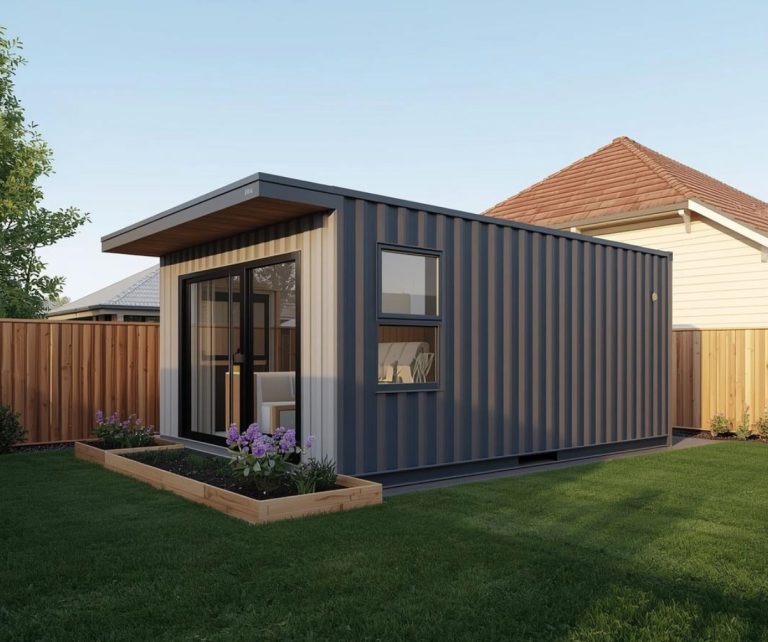
A Class 1a container home is a shipping container home that has been designed and approved as a permanent residential dwelling under Australian building regulations.
This means the container home:
- Meets NCC building standards
- Is approved for full-time living
- Is installed on a compliant foundation
- Includes proper insulation, ventilation, and services
When applying for approval, specifying the intended use of the container home is crucial, as it directly influences council requirements and compliance with zoning regulations.
Unlike temporary or mobile structures, Class 1a container homes are treated the same as traditional houses.
Why Class 1a Classification Matters
Understanding whether your container home is Class 1a is critical for several reasons. Obtaining building approvals is a critical step in ensuring your container home is legally recognized and compliant with Australian planning and construction regulations.
1. Legal Full-Time Living
Only Class 1a dwellings are typically approved for permanent residential use. Class 1a container homes can be approved as primary residences, allowing them to serve as the main dwelling on a property.
If your container home is not classified correctly, you may face restrictions on:
- Living in the home full-time
- Renting it out
- Connecting utilities
2. Council Approval
Local councils assess container homes based on their classification.
The council approval process for a Class 1a container home in Australia typically involves submitting detailed plans and documentation to the local council. This process can be complex and time-consuming, often requiring you to work with professionals such as architects or building certifiers to ensure your plans comply with all relevant regulations. Understanding local zoning laws and zoning restrictions is essential, as these regulations dictate where and how a container home can be built. Ensuring compliance with these zoning requirements is a key step in obtaining the necessary permits and council approval.
A Class 1a container home is more likely to:
- Meet planning requirements
- Be approved as a dwelling
- Fit within residential zoning rules
3. Safety and Building Standards
Class 1a homes must comply with strict standards covering:
- Structural integrity
- Fire safety
- Energy efficiency
- Ventilation and moisture control
- Compliance with safety standards
- Use of fire resistant materials
- Installation of smoke alarms in accordance with AS3786
It is essential to adhere to all relevant Australian standards, such as AS1530 and AS3786, to ensure safety, regulatory compliance, and suitability for long-term habitation.
4. Financing and Insurance
Banks and insurers are more likely to support container homes that are classified as Class 1a dwellings.
This can make it easier to:
- Secure financing
- Obtain insurance
- Protect your investment
Requirements for a Class 1a Container Home
To achieve Class 1a classification, a container home must meet several key requirements. It is essential to prepare detailed plans and gather all required documentation to demonstrate compliance with structural requirements. All construction must follow approved plans to ensure compliance with building codes and regulations.
Permanent Foundation
The home must be installed on a fixed, compliant foundation, such as:
- Concrete slab
- Concrete footings
- Engineered support systems
Structural Engineering
Any modifications to the container — such as cutting openings for doors and windows — must be structurally sound and engineered. It is highly recommended to seek professional assistance from structural engineers and work closely with them to ensure all modifications meet safety and compliance standards.
Insulation and Energy Efficiency
The home must meet Australian energy efficiency standards, which typically requires:
- High-quality insulation
- Thermal performance compliance
- Proper sealing and ventilation
Using quality materials for insulation and sealing is essential to achieve optimal energy efficiency and long-term durability.
Plumbing and Electrical Systems
All services must comply with Australian standards, including:
- Electrical wiring
- Plumbing systems
- Wastewater management
Detailed planning and compliance are required for utility connections, including water, electricity, and sewage, to ensure safe and legal installation.
Council Approval
Plans must be submitted to the local council or a certifier for approval before construction begins. The application process typically involves obtaining both building permits and development approval from the local council, which ensures your class 1a container home Australia project complies with zoning and planning regulations. It is essential to engage directly with the local council's planning department and consult with town planners to understand specific requirements and streamline the approval process. Managing approval timelines is crucial, so seek advice from professionals such as architects, engineers, or council experts to improve your chances of a smooth and timely approval.
Environmental Considerations for Container Homes
One of the major appeals of container homes is their potential for environmental sustainability. By reusing shipping containers, you’re giving new life to materials that might otherwise go to waste. But building an eco-friendly container home goes beyond recycling steel—it’s also about how you design and finish your living space.
Energy efficiency should be a top priority. Features like double glazed windows, high-quality insulation, and solar panels can significantly reduce energy consumption and lower your energy costs over time. Choosing sustainable materials and minimizing construction waste further reduces your home’s environmental impact. To ensure your container home meets local environmental standards, consult your local council’s planning department for guidance on regulations and best practices. With thoughtful design and responsible choices, your container home can be both stylish and environmentally conscious.
Expandable Homes: A Flexible Class 1a Option
Expandable homes represent an innovative solution for those seeking flexibility and extra space in their container home. These modular dwellings are designed to expand on-site, providing additional living areas without the need for a traditional extension. Classified as Class 1a under the National Construction Code (NCC), expandable homes must meet the same rigorous standards for fire safety, energy efficiency, and structural integrity as any permanent residence.
This flexibility makes expandable homes an attractive option for growing families or anyone needing adaptable living arrangements. However, it’s essential to ensure your expandable home complies with all local zoning regulations and building codes. Working with licensed professionals and seeking advice from your local council will help you navigate the approval process and ensure your home meets every requirement. By prioritizing compliance and quality, you can enjoy the benefits of an expandable container home that’s both practical and fully approved for long-term living.
Class 1a vs Other Container Home Classifications
Not all container homes are classified as Class 1a.
For example:
- Tiny homes on wheels may be classified as caravans
- Portable buildings may have specific regulatory requirements for safety, energy efficiency, and internal specifications
- Granny flats can be approved as Class 1a dwellings or as secondary dwellings, depending on local council regulations
- Secondary dwellings may be permitted by some councils as container homes, but with different approval processes and restrictions
- Sheds or outbuildings may not be approved for living
These alternatives, such as tiny homes, granny flats, secondary dwellings, and portable buildings, may have restrictions on occupancy and use.
Class 1a classification provides the clearest pathway to permanent living.
Why Container Homes Can Meet Class 1a Standards
Shipping containers are well suited for Class 1a construction because they are:
- Structurally strong
- Durable and long-lasting
- Suitable for permanent foundations
- Adaptable to meet building code requirements
Container homes must meet their own set of structural requirements and adhere to specific regulations set by local councils and authorities to qualify as Class 1a dwellings. Modular homes, including container homes, are designed to comply with these standards, ensuring they are suitable for permanent, compliant residential use.
With proper design and engineering, container homes can meet the same standards as traditional houses.
How Quokka Container Cabins Supports Class 1a Builds
At Quokka Container Cabins, container homes are designed with compliance and long-term living in mind, offering innovative solutions to maximize natural light and create a comfortable living space.
Each project focuses on:
- Structurally sound container modifications
- Insulation suitable for Australian climates
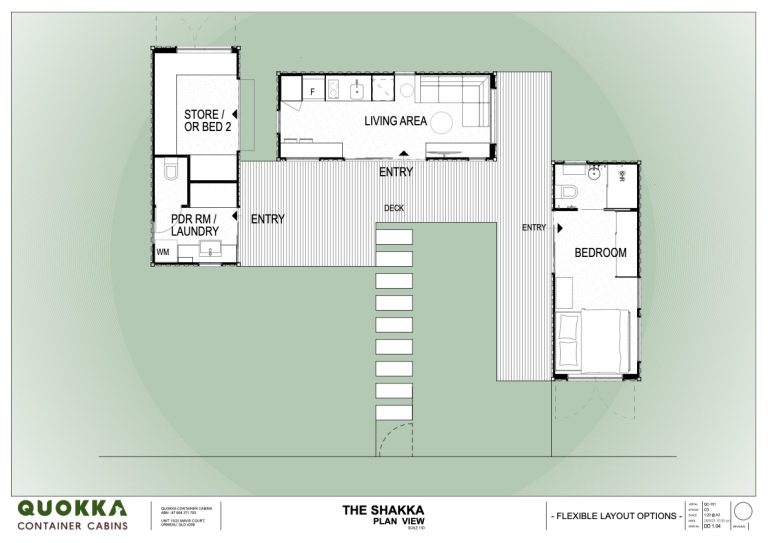
- Practical layouts for everyday living
- Features such as air conditioning to enhance comfort
- Designs that align with council and NCC requirements
This approach helps create container homes that are not only stylish but also functional, compliant, and built to last.
Final Thoughts: Is a Class 1a Container Home Right for You?
If you’re planning to live in your container home full-time, a Class 1a classification is essential.
It ensures your home is:
- Legally approved
- Safe and compliant
- Suitable for long-term living
- Easier to finance and insure
Container homes can absolutely meet Class 1a requirements when designed and built correctly — making them a viable and modern alternative to traditional housing.