Summary
Container homes are growing in popularity in Australia because they can be strong, affordable, modular, and eco-friendly. This blog explains what container homes are and outlines the key benefits—durable steel construction, faster build times, cost savings, flexible layouts, and sustainability. It also covers the main drawbacks to plan for, including insulation and condensation risks, the need for proper structural reinforcement when cutting openings, council approvals and zoning, narrow internal width, and delivery/site access. With smart design, quality materials, and professional builders like Quokka Container Cabins, many of these challenges can be managed to create a comfortable, long-lasting home.
What Is a Container Home?
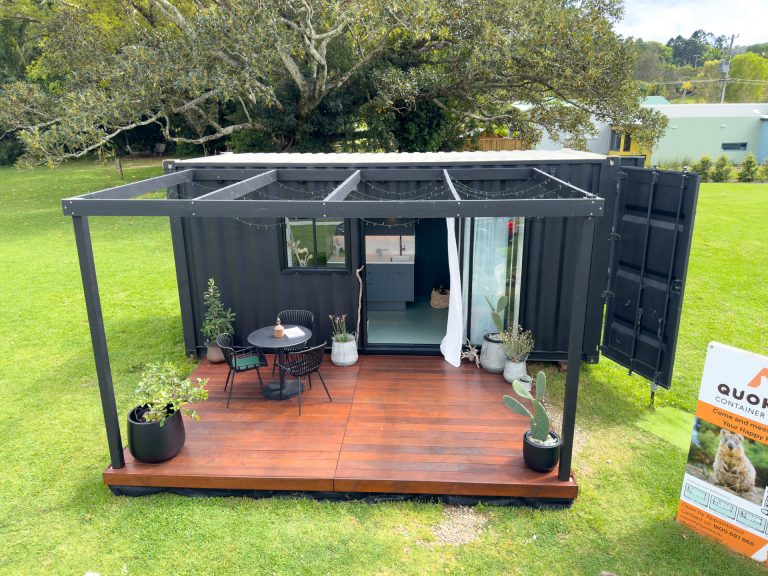
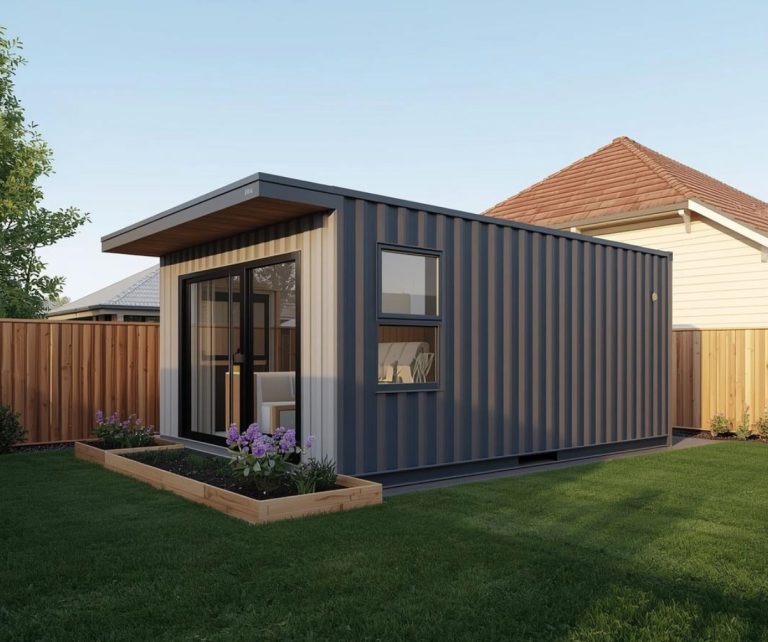
A container home is a house or cabin built using repurposed shipping containers as the primary structural framework. Many container homes, also known as a shipping container house, are constructed from old shipping containers, making use of recycled materials and reducing industrial waste. These steel containers were originally designed to transport cargo across oceans, which makes them extremely strong and weather resistant.
Today, shipping containers are being converted into:
-
Tiny homes
-
Granny flats
-
Holiday cabins
-
Backyard studios
-
Full-size modular houses
Their modular structure allows builders to combine multiple containers to create larger living spaces. Compared to conventional homes and traditional homes, container homes are often more affordable, faster to build, and offer greater adaptability in design.
Pros of Container Homes
1. Strong and Durable Construction
Shipping containers are made from high-strength Corten steel, which is designed to withstand harsh marine environments, heavy loads, and extreme weather conditions. Shipping containers are specifically engineered to withstand extreme weather conditions, making them suitable for use in harsh environments.
Because of this, container homes can be extremely durable when properly converted and maintained.
This strength makes them suitable for many Australian environments, from coastal areas to rural properties.
2. Faster Construction Times
One of the biggest advantages of container homes is their speed of construction. Many container homes are built off site in a controlled environment, which reduces on-site labor and construction time.
Since the main structure already exists, building a container home often requires less time than constructing a traditional house. The construction process often involves pre fabricated modules that are assembled off site and delivered to the building location. Once the container is prepared and modified, much of the interior work can be completed quickly.
This means homeowners may be able to move into their new home sooner. Prefabricated container homes offer quick assembly and customization options.
3. Cost-Effective Housing Option
Container homes are often more affordable than traditional houses, making them an appealing option for:
Reduced material use and faster construction timelines can help lower overall building costs. Homeowners can save money by choosing used containers and taking advantage of the efficient construction process.
4. Flexible and Modular Design
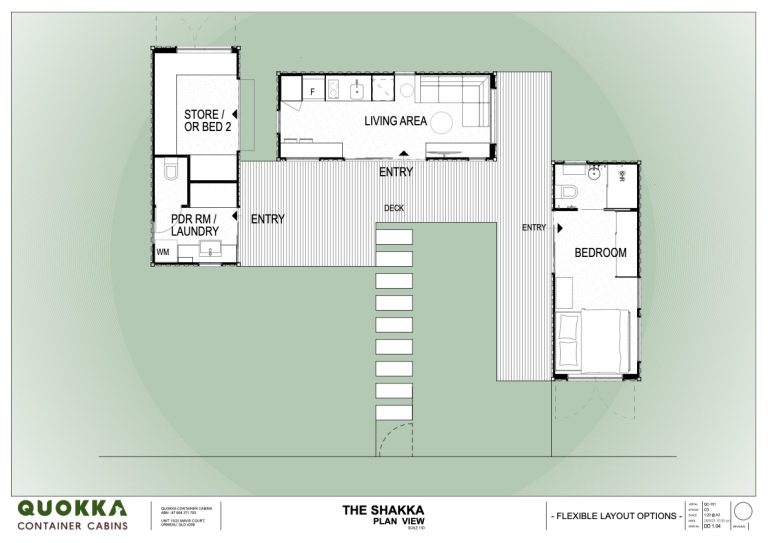
Container homes are highly versatile. Because containers are modular, they can be arranged in various configurations.
Common layouts include:
This flexibility allows homeowners to customise their design based on their space requirements and lifestyle.
5. Sustainable and Eco-Friendly
Repurposing shipping containers helps give these steel structures a second life, which can reduce construction waste.
Many container homes also incorporate sustainable features such as:
For environmentally conscious homeowners, container homes can be a more sustainable building option.
Cons of Container Homes
1. Insulation Challenges
Because containers are made of steel, they can absorb and transfer heat easily.
Without proper insulation, container homes may become:
-
Hot in summer
-
Cold in winter
-
Prone to condensation
One of the main disadvantages of container homes is the challenge of maintaining comfortable interior space due to poor insulation, which can make it difficult to regulate temperature and control moisture.
Professional insulation and ventilation systems are essential to maintain comfortable indoor temperatures. Foam insulation, especially spray foam insulation, is an effective solution for improving temperature regulation and preventing condensation inside the container.
2. Structural Modifications
Cutting openings for doors, windows, and internal spaces requires careful structural reinforcement.
Improper modifications can weaken the container’s structural integrity, so professional engineering and construction are important for safe conversions.
3. Council Regulations and Approvals
Container homes must comply with local building regulations, planning rules, and council approvals. Zoning challenges and zoning restrictions can make it difficult to obtain permits for container home projects.
Depending on location, approvals may vary based on factors such as:
Working with experienced container builders can help simplify this process.
4. Limited Interior Width
A standard shipping container is typically around 2.4 metres wide internally, which can feel narrow if not designed well. The limited space inside a standard container requires careful planning and creative design solutions.
However, smart design solutions such as:
can help create a more spacious interior.
5. Transportation and Site Access
Delivering a shipping container requires appropriate site access for trucks and potentially cranes. Shipping containers were originally designed for transporting goods, which determines their standardized size and the specialized equipment needed for delivery.
For remote or difficult-to-access properties, transportation logistics may add complexity to the installation process.
Health and Safety Concerns
When planning to build or live in a shipping container home, it’s important to consider potential health and safety issues unique to this type of construction. One key concern is poor air circulation, which can lead to moisture buildup and mold growth if not properly addressed. This is especially true in container homes, where the steel structure can trap humidity without adequate ventilation and insulation.
Another factor to keep in mind is the history of the containers themselves. Used containers may have previously transported chemicals or hazardous materials, which could pose health risks if residues remain. To minimize these risks, it’s best to choose high-quality, new, or thoroughly cleaned repurposed shipping containers for your project.
Proper insulation and ventilation are essential for maintaining a healthy indoor environment in container homes. Investing in professional installation of insulation and ensuring compliance with local building codes will help create a safe and comfortable living space. Regular maintenance and inspections are also important to prevent issues like condensation and structural damage over time.
By prioritizing health and safety from the start, you can enjoy the benefits of container living while reducing potential hazards associated with poor air quality or unsafe building materials.
Supply and Availability
The availability of shipping containers can significantly impact the construction timeline and cost of container homes. In recent years, the demand for containers has surged, leading to a limited supply of new containers in the housing market. Global events, such as the COVID-19 pandemic, have further disrupted the shipping industry, making it more challenging to source containers for residential projects.
Despite these challenges, the use of repurposed shipping containers offers a sustainable and eco friendly solution for those interested in alternative housing. By giving old containers a new purpose, homeowners can contribute to sustainable living while reducing waste.
To navigate the limited supply, it’s important to work with reputable suppliers who can provide containers in good condition and help you select the right size and type for your needs. Considering factors like location and transportation logistics will also help ensure a smoother construction process. By making informed choices, you can secure the right containers for your project and support a more environmentally conscious approach to building.
Are Container Homes a Good Investment?
For many Australians, container homes offer a practical and cost-effective housing solution.
They can be particularly suitable for:
-
Tiny homes
-
Guest accommodation
-
Rural cabins
-
Backyard studios
-
Off-grid living
Many people choose container homes for the same reasons they choose tiny homes—affordability, sustainability, and flexibility.
With proper design, insulation, and construction, container homes can provide a durable and comfortable living space for many years.
Why Choose Quokka Container Cabins?
At Quokka Container Cabins, container homes are designed to combine durability, functionality, and modern design.
Each cabin focuses on:
-
High-quality container structures
-
Efficient space planning
-
Insulation suitable for Australian climates
-
Practical layouts for everyday living
The goal is to create container homes that are both comfortable and long-lasting.
Expert Advice for Prospective Buyers
If you’re considering a shipping container home, seeking expert advice is crucial to make an informed decision. Start by weighing the pros and cons of container homes compared to traditional housing, and think carefully about your needs for living space, insulation, and energy efficient systems.
Understanding the design process, local zoning laws, and building codes will help you avoid common pitfalls and ensure your container home meets all legal requirements. Pay special attention to proper insulation and ventilation to minimize health risks and create a comfortable environment year-round.
It’s also important to factor in construction costs, including site preparation, container modifications, and ongoing maintenance. By consulting with professionals who have extensive experience in container living, you can optimize your design, manage your budget, and achieve your dream container home.
Whether you’re interested in a tiny home, a prefabricated container house, or a custom-built shipping container home, expert guidance will help you navigate the process with confidence. With the right advice and thorough research, you can enjoy lower building costs, a reduced environmental footprint, and a unique living space constructed from containers—making your container home journey a rewarding experience.
Final Thoughts: Are Container Homes Worth It?
Container homes offer a unique blend of affordability, durability, and design flexibility. While they do come with certain challenges, many of these can be addressed with proper planning and professional construction.
For Australians looking for an alternative housing solution, container homes provide an innovative option that continues to grow in popularity.
Explore Container Cabins
If you’re interested in learning more about container homes designed for Australian living, visit:
👉 https://quokkacontainercabins.au/